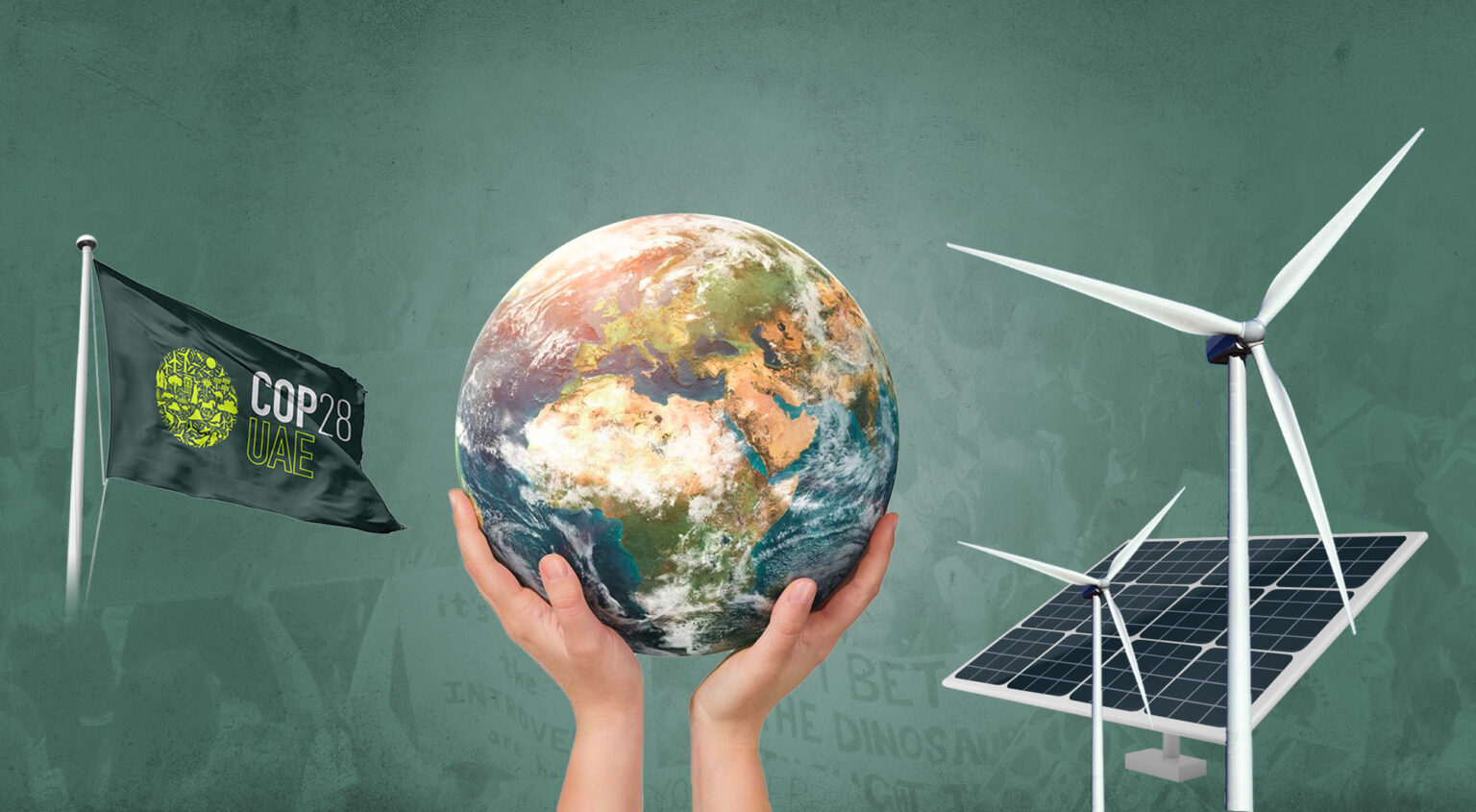

Climate change remains one of the most pressing scientific and societal challenges of the 21st century. Rising global temperatures, shifting weather patterns, and environmental disruptions demand urgent research, innovation, and policy action. Understanding climate change requires examining scientific advancements, technological solutions, public influence, economic implications, and ethical considerations.
- Technology and Global Influence
- Politics and Digital Power
- Public Figures and Narrative Shaping
- Innovation and Economic Transformation
- Ethics, Media, and Global Change
- FAQs
- How is technology advancing climate science?
- What role do public figures play in climate awareness?
- How does climate science impact the economy?
- Why are ethics important in climate science?
- How do politics influence climate action?
- Conclusion
Technology and Global Influence
Scientific tools such as climate models, satellite monitoring, and AI-powered data analysis have revolutionized climate research. These technologies allow precise measurement of temperature fluctuations, sea-level rise, and greenhouse gas emissions, enhancing global understanding and forecasting. International collaboration ensures that research findings are shared across borders, influencing global policy and mitigation strategies.
Technological innovation also supports climate adaptation and resilience. Renewable energy systems, carbon capture technologies, and sustainable agriculture methods demonstrate how science and engineering work together to reduce environmental impact and foster global sustainability.
Politics and Digital Power
Political frameworks significantly shape climate action, as governments implement policies on emissions reduction, renewable energy adoption, and environmental protection. International agreements like the Paris Accord guide cooperative efforts to address global warming, while national initiatives influence research funding and regulatory priorities.
Digital platforms also influence climate policy, enabling public participation, data transparency, and advocacy. Policymakers increasingly rely on digital tools to monitor environmental compliance, communicate risks, and engage citizens, illustrating the interplay between politics, technology, and climate science.
Public Figures and Narrative Shaping
Scientists, environmental activists, and media figures play a key role in shaping public understanding of climate change. Through outreach campaigns, lectures, and social media, they raise awareness, highlight scientific findings, and promote sustainable practices.
Public narratives around climate science influence behavior, policy, and corporate responsibility. Figures like climate researchers and influencers translate complex data into accessible insights, fostering societal engagement and driving collective action to mitigate environmental challenges.
Innovation and Economic Transformation
Climate science drives economic transformation by promoting green technology, renewable energy markets, and sustainable business practices. Companies investing in eco-friendly solutions benefit from consumer demand, regulatory incentives, and long-term operational efficiency.
Innovation in climate-related technologies also spurs job creation, global investment, and industry growth. By aligning economic goals with environmental responsibility, climate science fosters a sustainable development model that integrates technology, policy, and business innovation.
Ethics, Media, and Global Change
Ethical considerations in climate science include environmental stewardship, intergenerational equity, and transparent reporting of data. Media coverage shapes public perception, educates communities, and highlights corporate and governmental accountability.
Global collaboration, ethical responsibility, and accurate media reporting are essential to drive positive change. By integrating science, policy, and societal action, climate initiatives can mitigate environmental risks while promoting sustainable development and informed decision-making worldwide.
FAQs
How is technology advancing climate science?
Tools such as climate models, satellite monitoring, and AI-powered analytics enable precise measurement, forecasting, and global collaboration, enhancing understanding and mitigation of climate change.
What role do public figures play in climate awareness?
Scientists, activists, and media personalities educate the public, promote sustainable practices, and translate complex data into accessible insights that encourage societal action.
How does climate science impact the economy?
Investments in renewable energy, green technology, and sustainable business practices create jobs, stimulate markets, and foster economic growth while reducing environmental impact.
Why are ethics important in climate science?
Ethics ensure environmental stewardship, intergenerational equity, and transparent reporting. They guide responsible research, policy, and corporate practices.
How do politics influence climate action?
Governments implement policies on emissions, renewable energy, and international cooperation. Political frameworks shape funding, regulatory standards, and public engagement in climate initiatives.
Conclusion
Climate science demonstrates the intersection of technology, economy, politics, and society in addressing one of humanity’s greatest challenges. Innovations in research, renewable energy, and sustainable practices are reshaping global approaches to environmental responsibility.
Looking ahead, ethical oversight, informed public engagement, and international collaboration will be essential for effective climate action. Integrating scientific innovation with societal commitment ensures a resilient, sustainable future for generations to come.